For this project, you will learn how to use the design process to plan and make your own pocket sized ball-bearing puzzle. Your puzzle can be two layers thick to make a two dimensional puzzle, or you can choose to challenge yourself with a four layer double sided puzzle. Either puzzle will need to contain a layer of clear acrylic to show the ball-bearing. You will design the puzzle to be cut using the laser cutter and will assemble the layers using book screws.
Investigate
Material Properties Definition: Properties are that we can sense, measure, & test. The properties that would be identified is: Texture, Appearance, Density, Durability, Toughness, Hardness, Strength, Weight, & Workability.
- Appearance: Is to make the design look appealing to look at.
- Durability: How strong the material is, & how it stays in shape.
- Hardness: How strong is the materials surface is.
- Workability: How easily the material can be changed into a new shape.
- Appearance between Acrylic & Glass, they’re both transparent.
- Durability between Acrylic & Glass, Glass can be broken more easily than Acrylic, but when an outside force is applied then the Acrylic will break more easily.
- Hardness Between Acrylic & Glass, the Glass has a harder surface than Acrylic, because the Acrylic bends.
- Workability between Acrylic & Glass, Glass is used in windows, water bottles etc. Plastic is used everywhere.
Thermoplastics & Thermosetting plastics
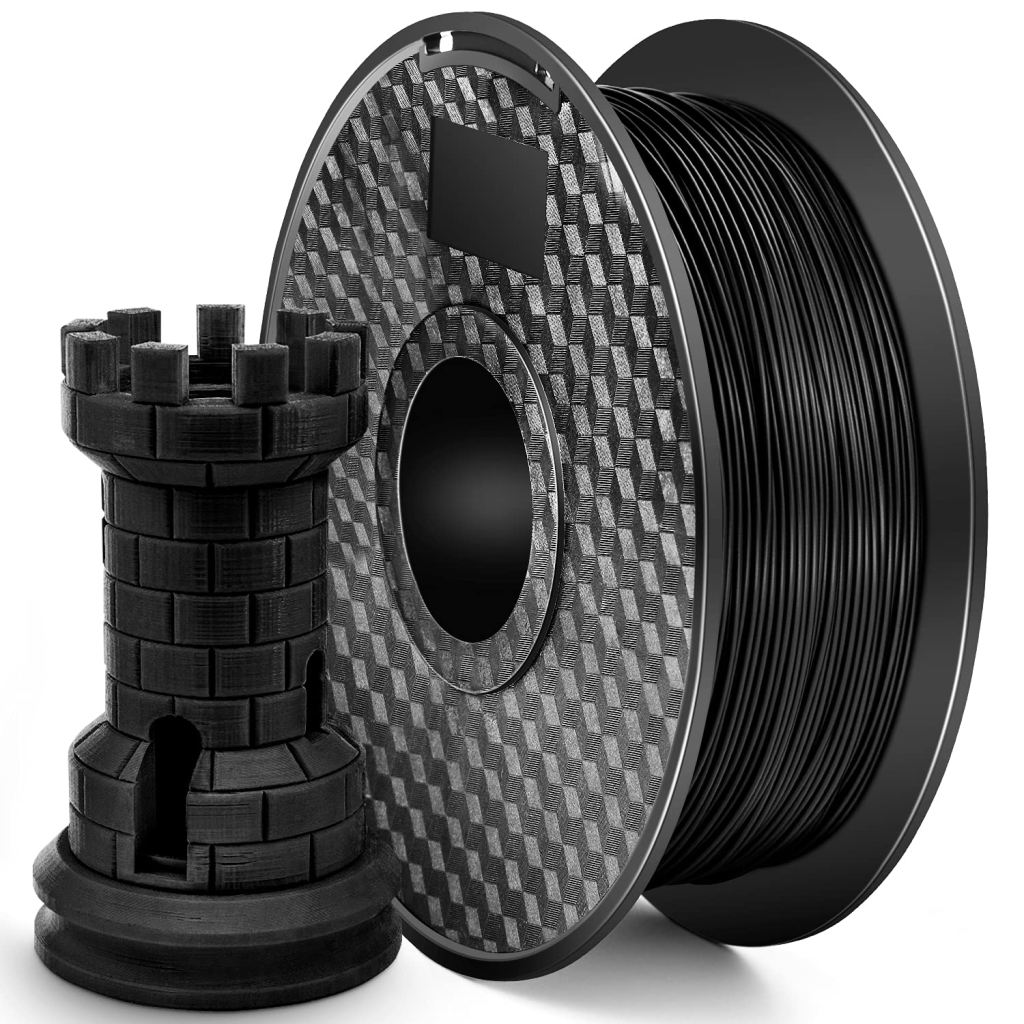
Thermoplastic: Plastic that can be shaped & reshaped (Example Filament).
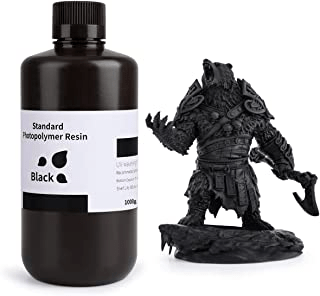
Thermosetting: Plastic that can be shaped but not reshaped (Example Resin).
Thermosetting plastic can only be shaped, but Thermoplastic can be shaped & reshaped.
Acrylic is thermoplastic because you can reshape Acrylic once it has been shaped.
Working With Acrylic
Cutting
Hand tool:
• Jigsaw: Cuts shapes & curves in the Acrylic.
Machine:
• Laser Cutter: Cuts through all types of metal
Bending
Hand tool:
•Blowdryer/heat gun: Heats up the Acrylic to make it Malleable.
Machine:
• Strip heater: Makes the Acrylic malleable, to be bent.
Joining
Hand tool:
• Capillary cement:
• Screws:
• Magnets:
• Super glue:
Research

Material: This Ball Bearing puzzle is made out of wood.
Size: This Ball bearing puzzle is small in design, small enough to fit in a pocket.
Shape: This Ball bearing puzzle in a circular design.
Difficulty: The Puzzles is basic in shape & the material is easy to shape. This puzzle is easy to make.

Material: The Ball bearing puzzle is made out of plastic seem to be 3D printed.
Size: This puzzle seems to be small enough to fit in a hand.
Shape: This puzzle is square in shape.
Difficulty: This puzzle is 2D printed. So this one is pretty easy to make.
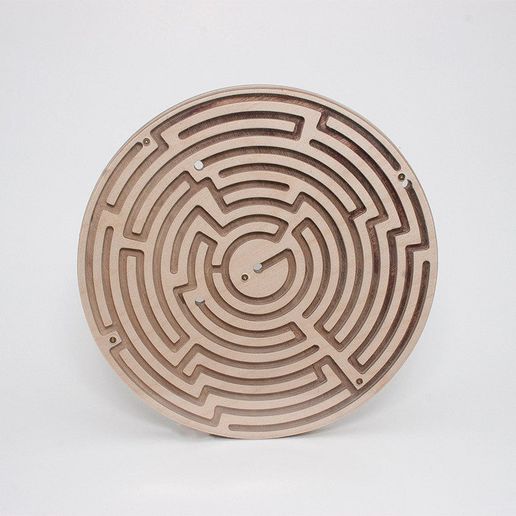
Material: This puzzle is made out of wood.
Size: This puzzles size is huge.
Shape: This puzzle is circular in shape.
difficulty: This puzzle is big in size, but is just circular in shape. This puzzle will take a while to make due to its size.
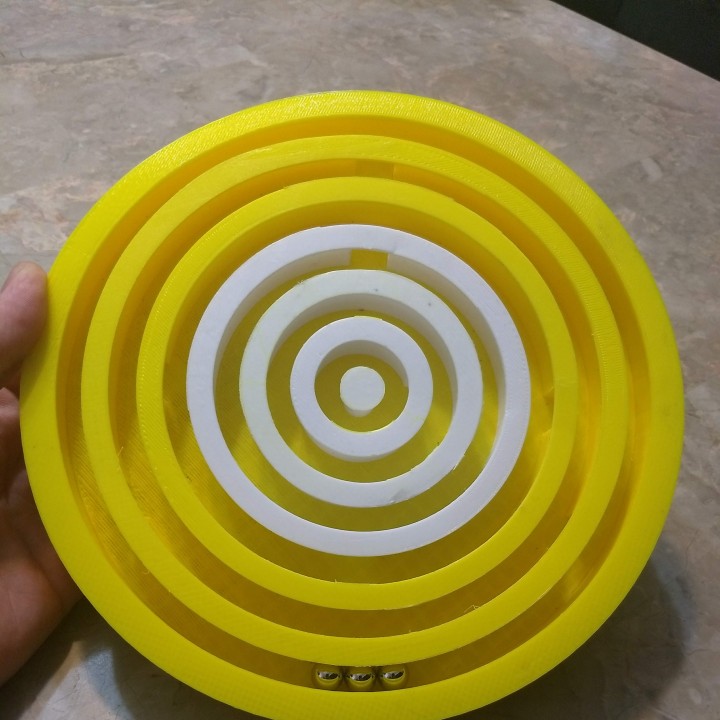
Material: This puzzle is made out of plastic.
Size: This puzzles seems to be bigger than a hand due to the fingers not able to warp around it in the bottom left corner of the image.
Shape: This puzzle is in a circular in shape.
difficulty: This puzzle is made out of plastic & seems to be 3D printed. This puzzle is easy to make but is time consuming due to it being 3D printed.
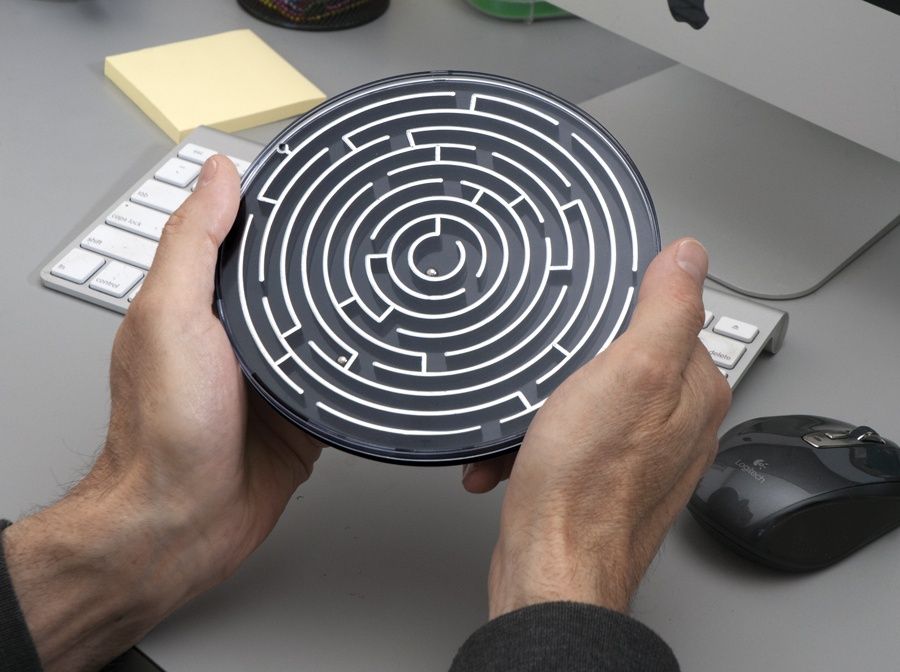
Material: This puzzle is a mix of plastic, metal, & glass.
Size: The puzzle seems to be able to fit in a two hands.
Shape: This puzzle is circular in shape.
Difficulty: This puzzle is made out of metal & is put on to a plastic base. This puzzle is hard to make due to the metal.
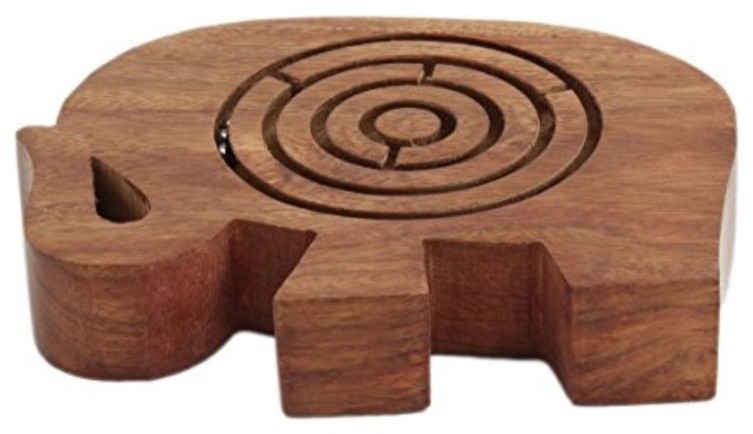
Material: This Ball bearing puzzle appears to be made out of wood.
Size: This puzzles seems to be able to fit in a pair of hands.
Shape: This puzzle is shape in an elephant. The elephant puzzle has a trunk two legs, & has a body which is made out of curves.
Difficulty: This puzzle has curves & sharp turns & is also in a shape of an elephant. This Puzzle will take a long time to make & is hard to make due to the shape.
 Materials Design and Technologies